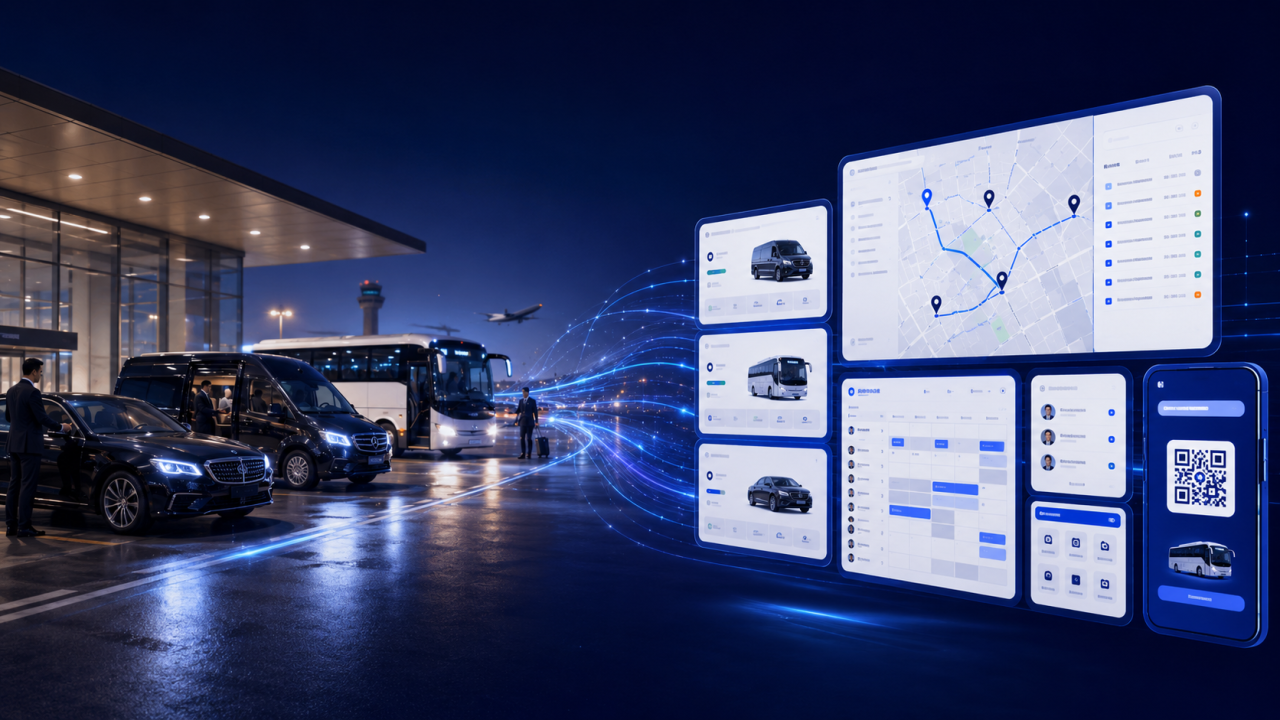
By 2026, anyone can build a software product. Tools like Claude and Codex have lowered the barrier so far that functional services can be assembled without a dedicated engineering team. Some acquisition-focused VCs have reportedly begun replicating target SaaS companies' technology with AI before due diligence concludes, and walking away when the product turns out to be the only real asset. The era of technology as a structural moat is closing. Ground transportation is no different. The defensible advantage going forward will not be the ability to build a platform. It will be the 20-30% that cannot be replicated by any tool: the operational expertise accumulated in the field, the tacit knowledge embedded in every routing decision, and the unstructured data that comes with it.
Why the Democratization of Technology Is a Problem
When SaaS was ascendant, the ability to build certain features was itself a barrier to entry. Automated dispatch, real-time fleet monitoring, digital ticketing: these took meaningful engineering investment and time. Starting around 2025-2026, AI coding tools compressed that barrier sharply.
The consequence is straightforward. The fact that something is "technically possible" no longer sets anyone apart. In a world where every operator can achieve technical parity, any operator who competes on technology alone quickly becomes a commodity. Ground transportation and transfers are no exception.
The shift is already visible in venture and M&A markets. Some acquirers have begun using AI to rapidly replicate a target company's technology stack during evaluation. If the diligence process reveals that a clean digital solution is the only real asset on the table, they walk. Technology commands a premium when it is scarce. When it is not, value has to come from somewhere else.

Why Tacit Knowledge Becomes the Moat as Technology Levels Out
In strategy, a moat is a structural advantage that competitors cannot easily overcome. When technology served as the moat, patents, proprietary algorithms, and deep engineering capability played that role. As technology becomes more accessible, the center of gravity shifts.
What steps in is tacit knowledge: the intangible, experience-based understanding that resists codification. How do you respond when an unexpected variable surfaces mid-event? How do you design a movement plan when a client has not fully articulated what they need? What is your priority order when 40 vehicles are moving simultaneously and something breaks down? These judgments are difficult to write into a manual and difficult to train into a model. They are absorbed only through direct, repeated exposure to live operations.
Tacit knowledge also connects to another asset: data. But not the clean, structured kind. The relevant data here is unstructured: raw records of which dispatch runs were delayed and why, where routing produced bottlenecks, which protocols actually held under pressure. That field-generated data becomes the fuel that makes AI genuinely useful in the age of AI transformation (AX).
What GroundK Has Built in Ground Transportation
GroundK operates T-RiseUp PMS and T-RiseUp TMS as SaaS solutions. But these platforms are not the sum of our assets. They are closer to the output of nearly a decade of direct operations, with field experience translated into code.
Across that period, we have run almost every category of ground transportation: summit-level VIP motorcades, global luxury brand events, K-pop concert shuttles, international sports competitions, and corporate shuttle programs. In 2026 alone: at MSI 2026, we managed 31 dispatch orders with departures across four countries on a single control interface. At X THE LEAGUE Awards, we handled 40 talent guests from nine countries across three vehicle types and 28 waypoints. At Busan One Asia Festival, we ran shuttle services across three routes for more than 614 passengers. At UCI MTB World Series, we integrated multilingual booking and global payment at a mountain venue at 1,458 meters elevation.
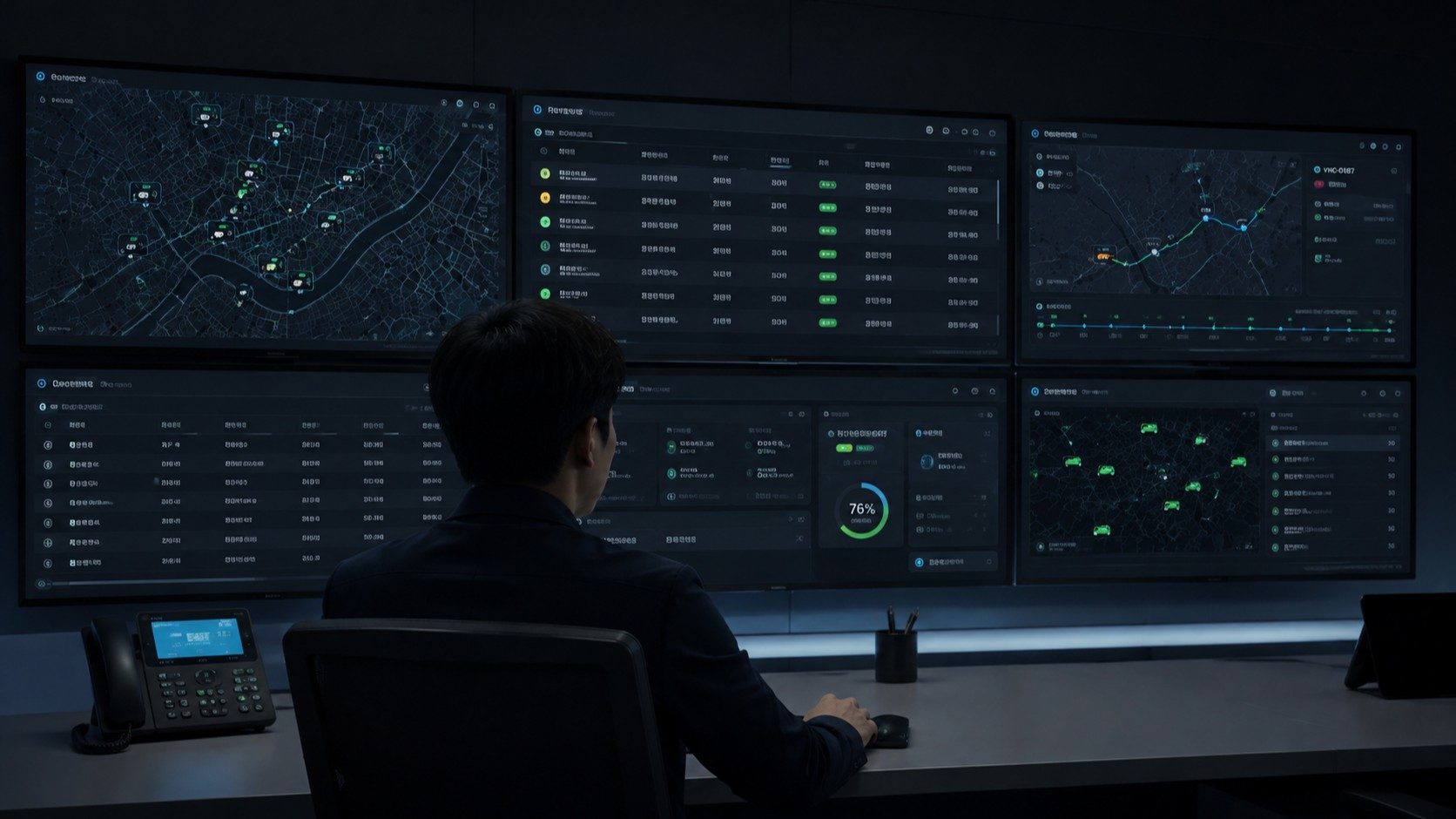
None of these operations exists only as a performance metric. Each one left behind a body of unstructured data: which routing decisions worked in practice, which variables surfaced at which stage, which dispatch calls prevented delays. Because our digital transformation is already in place, that data lives inside the system rather than in someone's memory, and it forms the foundation from which AI can meaningfully inform the next decision.
The Value of SaaS Is Not Shrinking. Its Role Is Changing
To be precise: technology becoming accessible does not mean SaaS solutions become irrelevant. The tools remain essential. What changes is their function.
When technology was the moat, it was the core of the business. Going forward, technology becomes the means by which tacit knowledge and unstructured data are structured and put to use. Technology is a necessary condition, not a sufficient one. As technical capability equalizes, the gap between an operator who has a platform and an operator who built a platform on top of real operational experience becomes more visible, not less.
That is why GroundK leads with operational experience rather than its solutions. The systems came from operations. Operations produced data. Data creates the foundation for AI to be used in a way that actually changes outcomes. Reverse that sequence, and you have technology without substance.
What Has to Come First for AX to Matter in Ground Transportation
AI transformation (AX) is a phrase that appears frequently. But for AI to genuinely improve decisions and operational efficiency, three things need to already be in place.
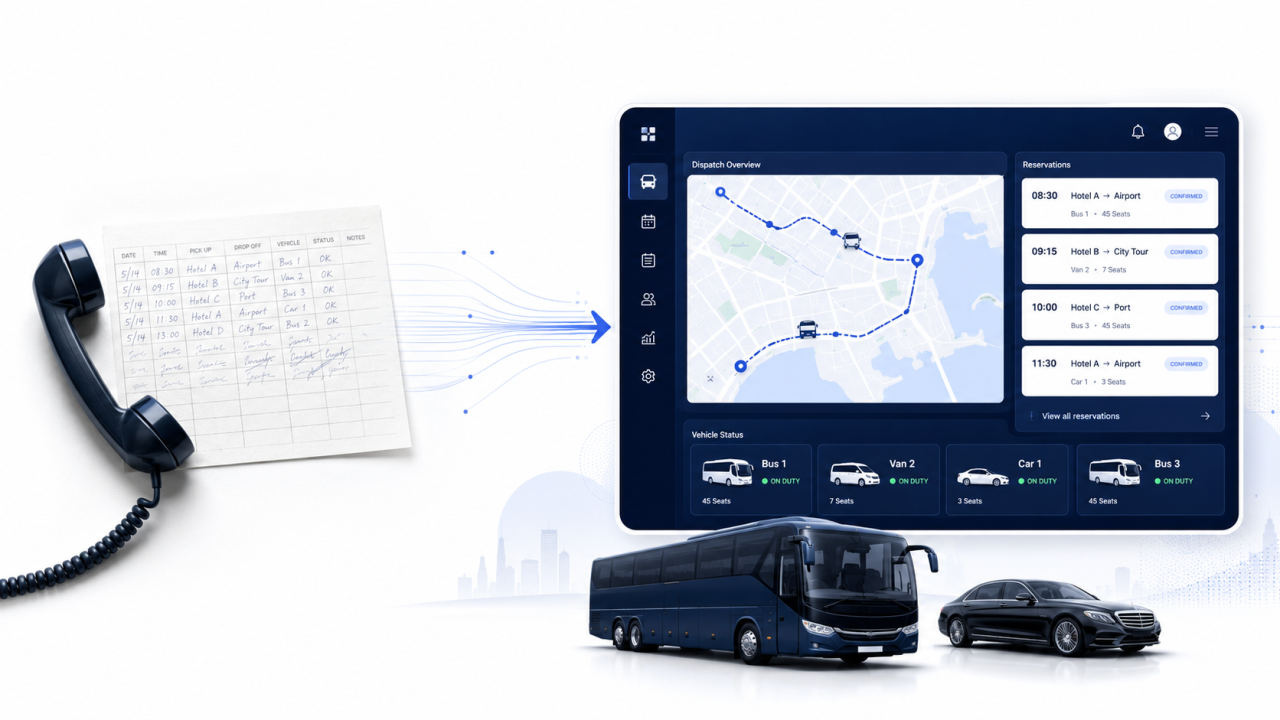
First, digital transformation (DX) must precede it. An operation still running on phone calls and spreadsheets does not generate data that AI can learn from. As covered in a previous insight, DX is the prerequisite for AX, not an alternative path.
Second, operational experience has to be converted into data. If field knowledge lives only in a team member's memory, it is not unstructured data. It is information waiting to disappear. Only when live operations are recorded inside a system does that experience become an asset AI can work with.
Third, genuine domain expertise is required. AI identifies patterns, but determining which patterns are meaningful is still a human judgment call. The results are categorically different when the people designing AI applications actually understand which variables matter in ground transportation and which dispatch decisions change an outcome on the ground.
None of these three can be replicated quickly. Technology can be copied. Ten years of live operations, and the data produced through them, cannot. That is the real moat in ground transportation when technology alone no longer sets anyone apart.