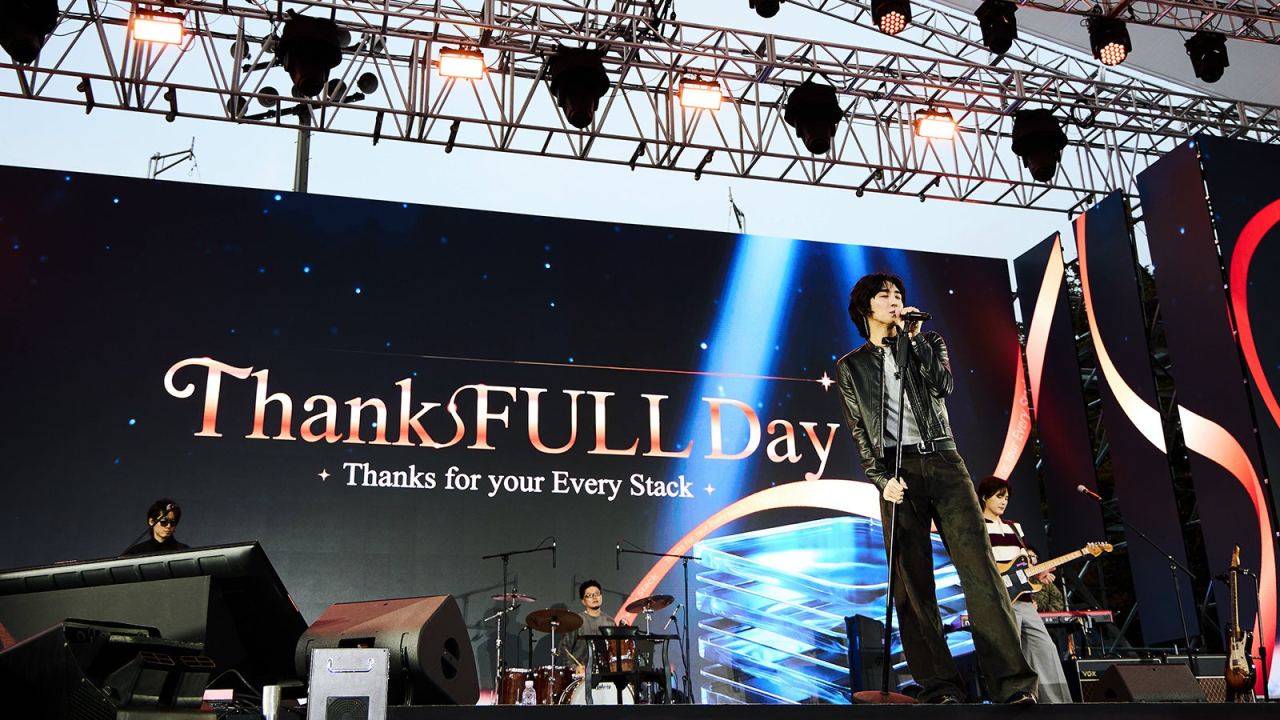
GroundK handled airport arrivals and departures for international delegates and invited speakers at the DIO Implant International Conference, along with shuttle service connecting 9 hotels to the venue. Over seven days, the team ran 108 trips using 59 vehicles. Delegate group transfers and speaker VIP handling ran as two distinct tracks.
Why separate tracks
International attendees at a corporate conference typically fall into two categories. The first is multi-country delegate groups, where party sizes vary by country and organization. The second is invited speakers, whose transfer experience directly shapes their impression of the event.
The two groups require different vehicle types and different handling approaches. Delegate groups need minivans, minibuses, or coaches sized to fit the party; speakers call for individual VIP transfers. GroundK built this distinction into the operational structure from the start.
Airport transfers: 75 runs
Airport operations covered three terminals: Incheon International T1, Incheon International T2, and Gimpo International. Arrivals accounted for 45 runs and departures for 30, totaling 75 runs.
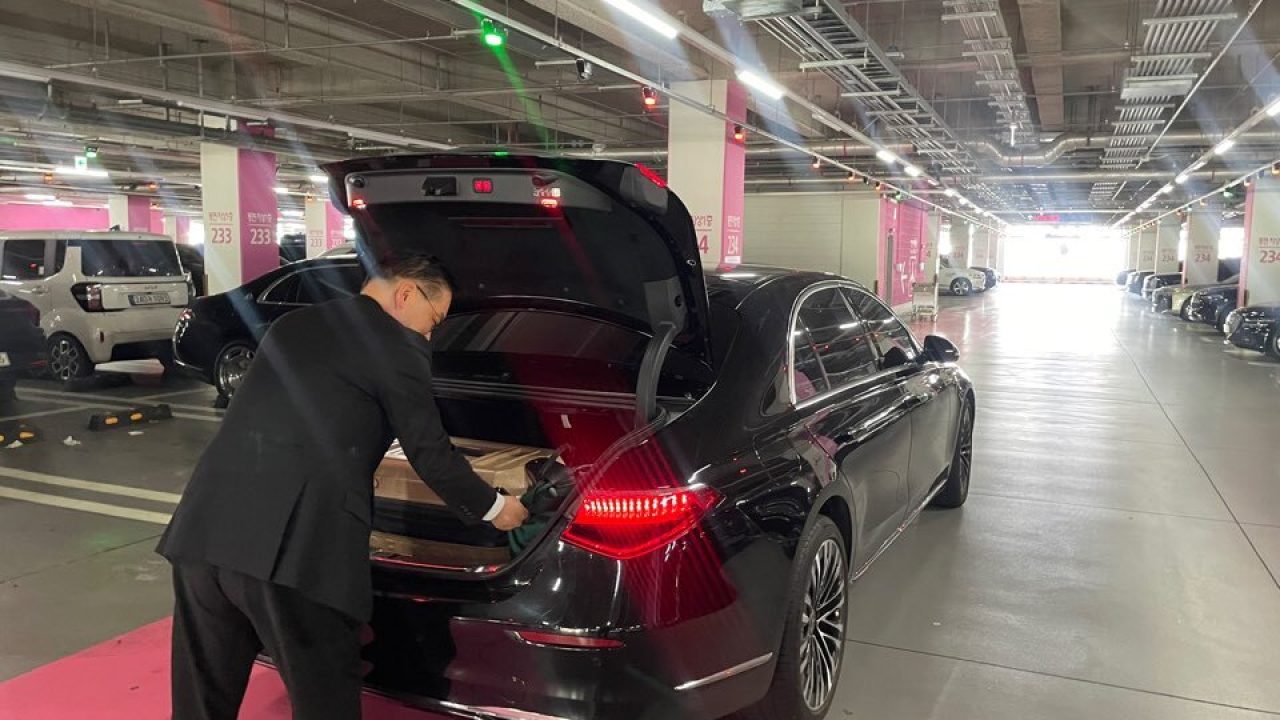
Delegate group transfers comprised 37 arrival runs and 20 departure runs. Minivans, minibuses, and coaches were assigned according to each group's size. Speaker transfers comprised 13 arrival runs and 11 departure runs, with executive sedans deployed in line with premium VIP transfer standards. Even when delegate and speaker movements coincided at the same terminal and time window, vehicle types and assigned personnel were kept separate.
Nine hotels, staggered shuttles: 26 runs
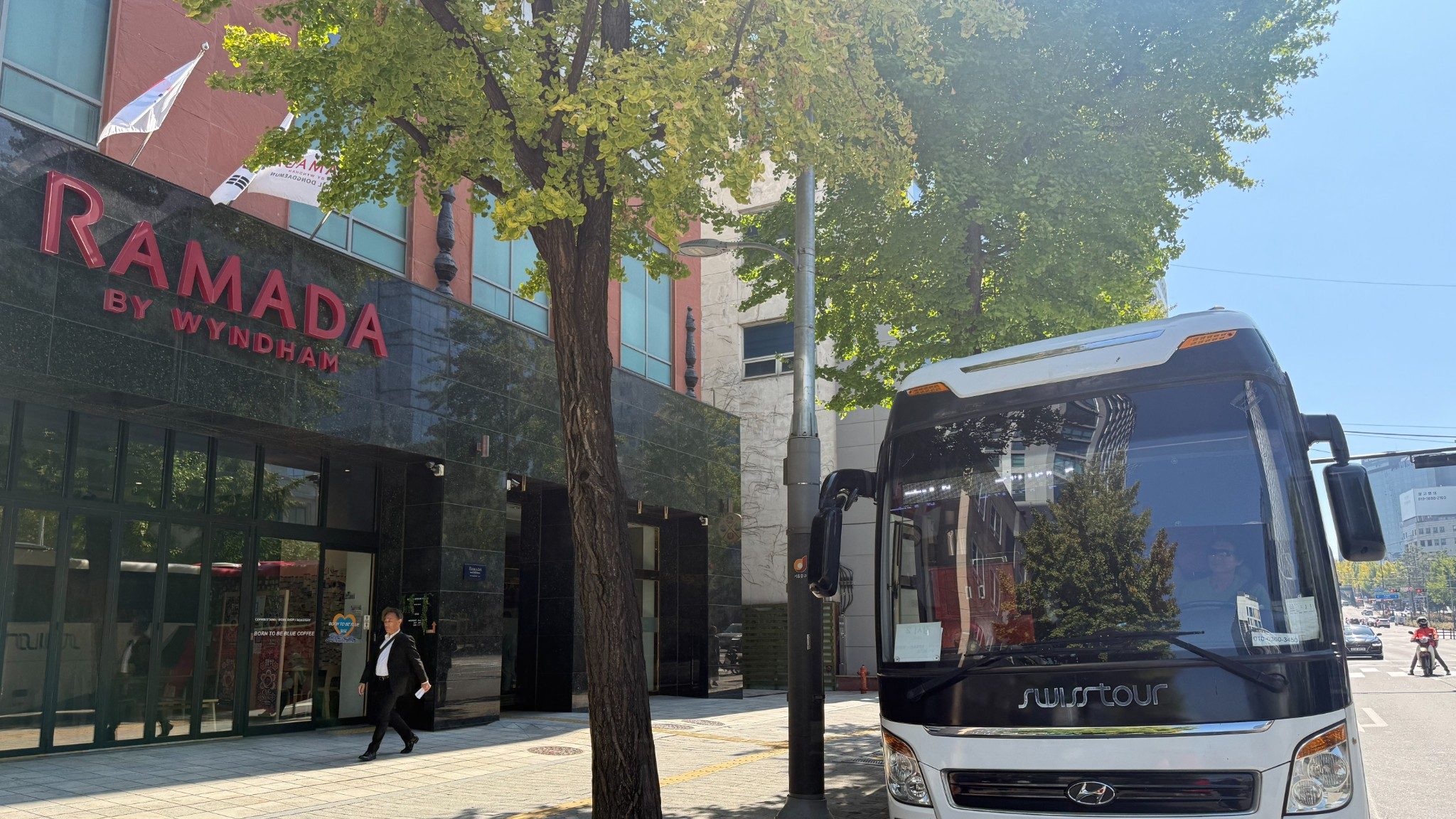
Conference attendees were distributed across multiple hotels in Seoul. GroundK operated shuttle hubs at 9 hotels. Dispatching all coaches simultaneously would have caused vehicles to arrive at the venue in a single wave. Instead, departure times were staggered by 10-20 minutes per hotel, spreading arrivals across a window rather than compressing them into one moment.
Shuttle operations ran across two days, October 10 and 11, covering 26 runs in total. Coach allocation at each hotel was based on the number of guests staying there, and the staggered departure schedule was confirmed with each hotel in advance. The approach applies the distributed-dispatch principle used in mega-event transportation, scaled to a corporate conference context.
Fleet composition and run breakdown
The fleet across seven days totaled 59 vehicles (counted without duplication). By type: 43 minivans, 37 coaches, 17 executive sedans, and 11 minibuses. Using four vehicle categories within a single event reflects the range in group sizes and attendee profiles. Small delegations rode minivans, large groups took coaches, and speakers traveled in sedans.
The 108 runs broke down as 75 airport transfers, 26 hotel-to-venue shuttles, and 7 additional movements including tour buses. Vehicle assignments and schedules were managed centrally through T-RiseUp PMS.